26 November 2026
How Ceramic Vases Became Important in Floral Still Lifes
Presented by @petaldiary22
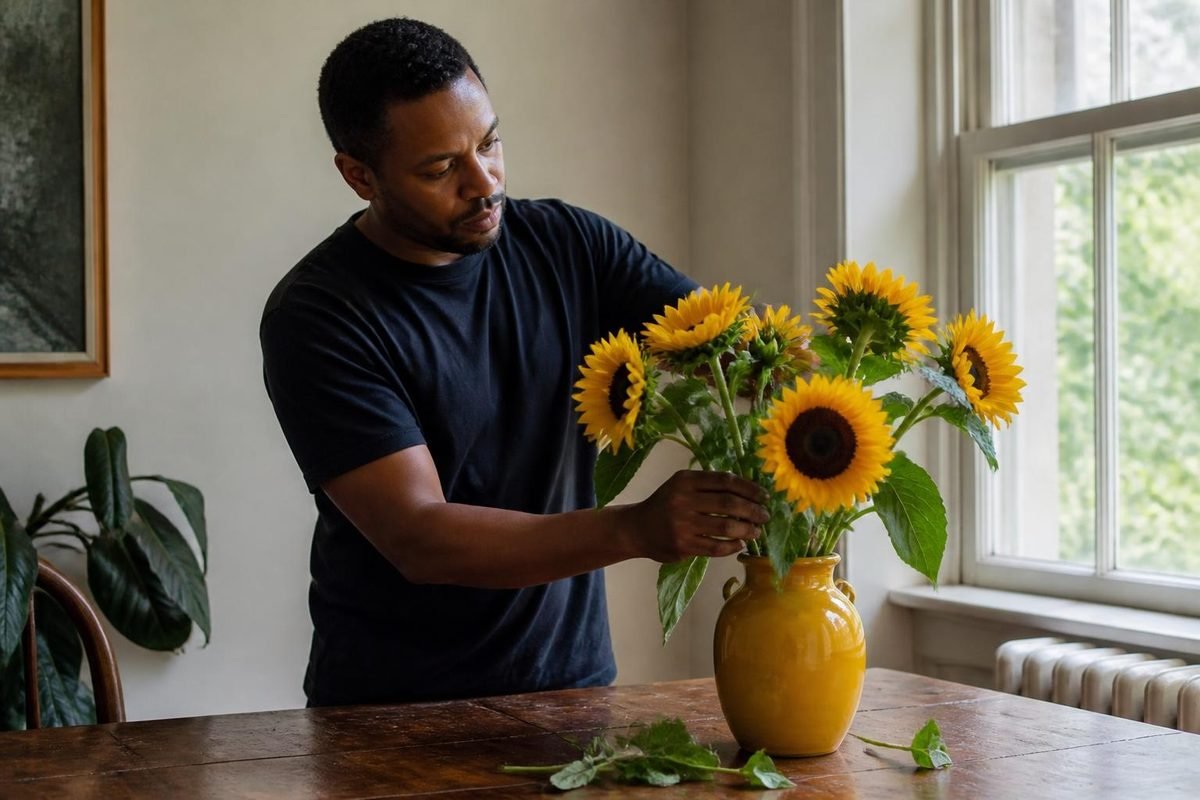
Ceramic vases became important in floral still lifes because they gave artists a practical way to arrange flowers and a rich surface to paint. Over time, their shapes, glazes, and associations with trade and collecting made them subjects worth noticing in their own right.
From useful vessel to painted object
Artists depicted flowers and vessels long before floral still life became a distinct genre. Flowers appeared in ancient Roman wall paintings, sometimes placed in containers, while later European religious images often included flowers in vases. In these settings, the vessel could help make a sacred scene feel tangible and close at hand.
A ceramic vase also offered a useful contrast. Petals are thin and irregular, while a fired clay vessel has a firm outline. Its rounded body can catch light, its rim can frame the stems, and its weight can anchor a lively arrangement.
Flower painting takes shape
In the late sixteenth and seventeenth centuries, flower still life developed as a specialty in the Netherlands. Painters made elaborate bouquets with close attention to individual blooms. Some pictures brought together flowers that would not ordinarily have been at their best in the same season.
The vase helped organize these compositions. A narrow neck could gather a wide spray of stems into a stable center, while a broad body gave the eye somewhere to rest. Artists used vessels of glass and metal as well as ceramic, choosing each for its different visual qualities.
Ceramics, trade, and taste
Porcelain from China reached European markets in growing quantities during the seventeenth century. Its pale surface and blue decoration appealed to collectors and appeared in Dutch still life paintings. European makers also produced tin glazed earthenware with blue and white decoration, including wares associated with Delft.
For a painter, a decorated vessel offered several things to explore:
- A glossy glaze that reflected light differently from a petal or leaf.
- A curved surface that made painted patterns bend around the form.
- An object associated with domestic display, collecting, and long distance trade.
These associations depended on the vessel and its setting. A vase is not automatically a symbol of wealth or a hidden moral lesson. In some still lifes, signs of decay invite reflection on the passing of time, but each painting deserves to be read on its own terms.
A vase with its own presence
Later artists continued to make flower paintings, often giving the container a strong role in the design. Vincent van Gogh painted sunflowers in a simple yellow vase, bringing the flowers and their holder into a closely related range of colors. The vase is modest, but its shape and color are essential to the picture.
Other artists have treated the vessel as an opportunity to study pattern, shadow, or the balance of a composition. A painted vase can tell us about the objects people valued, but it can also be there because its curve looks right beneath a cluster of flowers.
In a floral still life, the vase holds more than stems. It gives fleeting flowers a fixed place and lets the artist bring their softness into conversation with something durable.
Keep reading: church customs for funeral flowers